Punzone standard per pressa piegatrice: la base versatile per la piegatura quotidiana
Sep 02, 2026
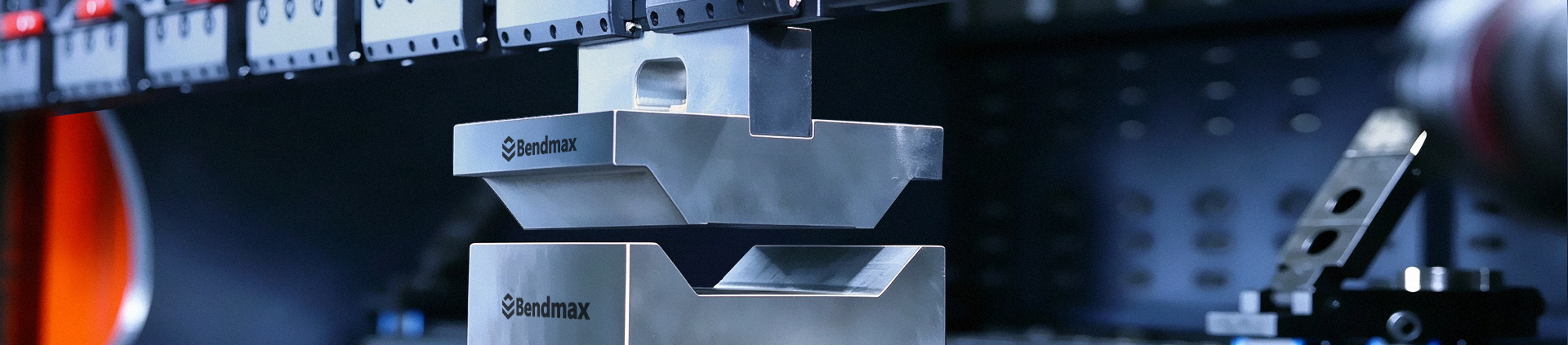
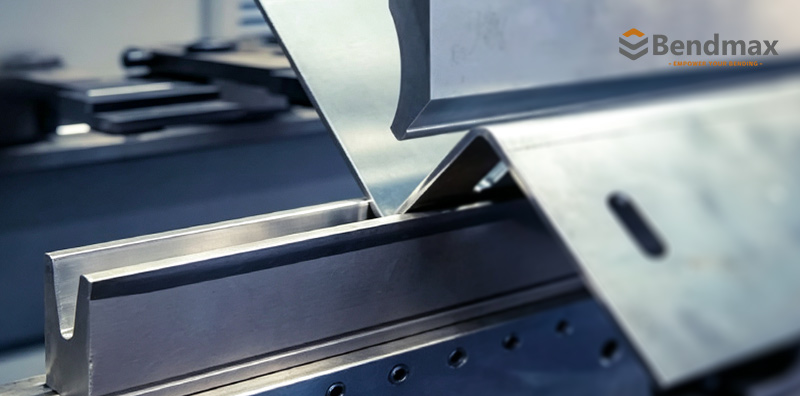
Punzone standard per pressa piegatrice: la base versatile per la piegatura quotidianaProgettata per carichi di flessione elevati, produzione affidabile e formatura versatile della lamiera.Nei precedenti articoli del blog di Bendmax, abbiamo condiviso numerosi approfondimenti su soluzioni per presse piegatrici, applicazioni degli utensili e confronti tra prodotti. Questi articoli si concentrano su specifiche problematiche di piegatura e su soluzioni pratiche.Quando si studiano gli utensili per la piegatura con pressa piegatrice, è facile imbattersi in informazioni sparse: il profilo di un punzone in un punto, una guida alla selezione delle matrici in un altro e un esempio applicativo in un'altra pagina. Ciò che spesso manca è una comprensione chiara e sistematica degli utensili più comuni utilizzati nella piegatura con pressa piegatrice.Ecco perché stiamo presentando la nostra prossima serie di utensili comuni per presse piegatrici.In questa serie, presenteremo uno per uno i punzoni, le matrici e gli accessori più comuni per le presse piegatrici, aiutandovi a comprendere meglio il funzionamento di questi strumenti e le ragioni della loro esistenza.Dal punto di vista di un ingegnere tecnico, esploreremo i principi di progettazione, le funzioni, le caratteristiche operative e le applicazioni tipiche di ogni strumento. Ancora più importante, analizzeremo le questioni ingegneristiche che si celano dietro la progettazione degli strumenti:Perché alcuni punzoni sono dritti mentre altri hanno un design a collo d'oca? Perché sono disponibili matrici a V con diverse aperture a V? Quando è opportuno scegliere un punzone standard invece di un punzone a collo d'oca? E cosa fare quando gli utensili standard non sono in grado di formare il pezzo necessario?Anziché limitarci a elencare le specifiche del prodotto, ci proponiamo di spiegare perché uno strumento è progettato in un certo modo, quale problema è destinato a risolvere, come funziona durante il processo di piegatura e quando sceglierlo rappresenta la decisione giusta.Ci auguriamo che questa serie possa diventare un pratico punto di riferimento per chi si avvicina al mondo degli utensili per presse piegatrici, che siate operatori di macchine, acquirenti di utensili, ingegneri commerciali, progettisti, fabbricanti o semplicemente persone che stanno iniziando a capire come funzionano gli utensili per presse piegatrici.Ma questa serie non intende essere una guida tecnica unidirezionale.Crediamo che la vera conoscenza degli utensili derivi dalle domande, dalle applicazioni e dall'esperienza pratica di piegatura.Se avete domande su punzoni o matrici, non siete sicuri di quale sistema di utensili sia adatto alla vostra pressa piegatrice, oppure state cercando di piegare un particolare pezzo ma non sapete come formarlo, non esitate a contattarci.Potete fornirci il vostro disegno, le dimensioni, il materiale, lo spessore, l'angolo di piegatura e altre informazioni, oppure semplicemente descrivere il problema che state affrontando. Saremo lieti di discutere con voi le diverse opzioni di attrezzatura e di trovare una soluzione pratica.Perché la soluzione migliore in termini di attrezzature non sempre inizia con un codice prodotto. A volte, inizia con una domanda.Benvenuti quindi alla serie di utensili comuni per presse piegatrici Bendmax:Inizia con la forzaNella scelta di una punzonatrice per pressa piegatrice, molte operazioni di piegatura non richiedono un utensile complesso.Hanno bisogno di qualcosa di forte, stabile e affidabile.È qui che entra in gioco il punzone standard per impieghi gravosi.Essendo uno degli utensili superiori più utilizzati per la piegatura con pressa piegatrice, il punzone standard è progettato secondo un semplice principio ingegneristico: fornire una geometria di lavoro robusta in grado di gestire carichi di piegatura impegnativi, pur rimanendo sufficientemente versatile per la produzione quotidiana.Per la piegatura generale della lamiera, questa combinazione di resistenza, stabilità e flessibilità rende il punzone standard un elemento fondamentale di un moderno sistema di utensili per presse piegatrici.Ma la forza non è la soluzione a ogni problema di flessione.Man mano che i pezzi diventano più profondi, i profili più complessi e le flange di ritorno si estendono attorno al punzone, emerge un altro problema:Potrebbe semplicemente non esserci abbastanza spazio intorno al punzone.E questo ci porta alla prossima domanda della nostra serie sugli utensili:Cosa succede quando la perforatrice Standard Punch esaurisce lo spazio?La risposta non è sempre un pugno più forte.A volte, la risposta risiede in una geometria diversa.Quando le punzonatrici standard non hanno più spazio, le punzonatrici a collo d'oca trovano la soluzione.1. Cos'è una punzonatrice standard per pressa piegatrice?Il punzone standard è l'utensile superiore installato su una pressa piegatrice per formare la lamiera contro una matrice a V inferiore.Durante la piegatura, il punzone si muove verso il basso e spinge il pezzo in lavorazione nell'apertura della matrice. Nella piegatura ad aria, la lamiera è supportata dalle spalle della matrice a V mentre il punzone controlla la posizione di piegatura e la profondità di formatura.La punzonatrice standard è progettata per un'ampia gamma di operazioni di piegatura comuni, tra cui:Piegatura generale a 90°Lavorazione della lamieraPiegatura della piastraComponenti strutturaliArmadi e contenitoriTelai e staffeLavori di fabbricazione in generaleIl suo corpo relativamente robusto offre una buona resistenza ai carichi di flessione, mentre la punta di lavoro determina come la forza viene trasferita al materiale.In parole semplici:Il punzone standard è l'affidabile e versatile strumento del sistema di utensili per presse piegatrici.2. Perché un pugno standard ha bisogno di un corpo forte?La piegatura con pressa piegatrice genera forze di formatura considerevoli.Il punzone deve resistere a queste forze ripetutamente senza deformazioni eccessive, instabilità o usura prematura.Un corpo del punzone robusto contribuisce a fornire:Elevata stabilità strutturaleMigliore resistenza ai carichi di flessionePosizionamento coerente degli utensiliAffidabilità dimensionale a lungo termineMaggiore idoneità per produzioni impegnativePer specifiche configurazioni Bendmax per impieghi gravosi, gli utensili possono essere progettati per applicazioni ad alto carico, con alcuni modelli che raggiungono una capacità di carico massima fino a 1000 kN/m.Tuttavia, questo valore deve essere sempre considerato come una valutazione specifica del prodotto, non come una capacità universale per ogni punzone standard.Il carico ammissibile effettivo dipende da fattori quali:geometria del punzoneMaterialealtezza utensileSezione trasversaleRaggio di lavoroMetodo di piegaturacapacità della macchinaGeometria del piano di lavoroSi tratta di una distinzione importante nella scelta di utensili per lavori pesanti.Un pugno dall'aspetto più robusto non è automaticamente sinonimo di pugno più potente.La progettazione complessiva dell'utensile determina il suo carico di lavoro.3. La geometria alla base del gioco ridotto della flangiaUn punzone standard non è semplicemente un blocco dritto di acciaio temprato.Il suo profilo è progettato con cura in corrispondenza della zona di flessione.Molti modelli di punzoni standard presentano una leggera concavità sul lato interno, pur mantenendo i lati esterni relativamente piatti.Questa geometria crea uno spazio libero utile attorno al pezzo in lavorazione.Per alcune applicazioni con flangia corta, ciò significa che la flangia può avvicinarsi al corpo del punzone senza interferenze immediate.Di conseguenza, alcune applicazioni che apparentemente richiedono una punzonatrice a collo d'oca speciale possono comunque essere completate con una punzonatrice standard di progettazione adeguata.Ma c'è un limite.La punzonatrice standard rimane fondamentalmente uno strumento relativamente solido e robusto.Quando il pezzo in lavorazione diventa più profondo o la flangia di ritorno si estende maggiormente attorno al punzone, lo spazio disponibile può diventare insufficiente.È in questo contesto che la geometria dell'utensile diventa più importante del semplice aumento della sua resistenza.4. Resistenza alla punzonatura rispetto al gioco del pezzoQuesto è uno dei concetti più importanti nella scelta degli utensili per la pressa piegatrice.Immagina due problemi diversi.Problema A: Il carico di flessione è troppo elevatoLa soluzione potrebbe prevedere:Un pugno più forteUn dado più resistenteUn materiale adattoUtensili più grandiUna macchina di maggiore capacitàProblema B: Il pezzo in lavorazione interferisce fisicamente con il punzoneLa soluzione è diversa.Aumentare la forza del punzone non crea ulteriore spazio libero.Se il pezzo in lavorazione colpisce il corpo del punzone prima che la piegatura sia completata, il problema è di natura geometrica.Hai bisogno di uno strumento che offra più spazio.Questa distinzione può essere riassunta in modo semplice:La resistenza risolve i problemi di carico. La geometria risolve i problemi di spazio libero.Ecco perché esistono diversi profili di punzonatura.5. Perché si usano comunemente i punzoni standard a 85°?Gli utensili per presse piegatrici sono disponibili con diverse angolazioni di punzonatura, incluse configurazioni intorno a 85°, 86° e 88°.Un punzone a 85° non significa che il pezzo finito avrà automaticamente una piega a 85°.In molte applicazioni di piegatura ad aria, la geometria del punzone e della matrice viene selezionata per fornire il gioco di formatura e la capacità di sovrapiegatura necessari per produrre angoli intorno ai 90°.L'angolo di curvatura finale dipende da diverse variabili, tra cui:angolo di punzonaturaangolo della matriceApertura della matrice a Vraggio del naso a punzoneTipo di materialeSpessore del materialeprofondità di curvaturamolla del materialeControllo e ripetibilità della macchinaPertanto, l'angolo di punzonatura dovrebbe essere considerato come parte integrante del sistema di piegatura completo, piuttosto che come soluzione singola per il ritorno elastico. Sistema AMADA, punzone per pressa piegatrice standard n. 11.201 Sistema AMADA, punzone per pressa piegatrice standard n. 11.230 Sistema AMADA, punzone piegatore standard n. 10.142 Punzone standard Wila System Tipo II n. 14.0206. Il raggio del naso del punzone è importanteIl raggio della punta del punzone influenza direttamente il contatto tra il punzone e la lamiera.Un raggio più piccolo può essere adatto per applicazioni che richiedono una curvatura interna più stretta, mentre un raggio più grande può essere necessario per materiali più spessi o applicazioni in cui è necessario evitare sollecitazioni superficiali eccessive.Il raggio corretto dipende da:Materiale + Spessore + Apertura a V + Raggio interno richiesto + Metodo di piegaturaPer questo motivo, Bendmax sconsiglia di scegliere un punzone basandosi esclusivamente sul suo angolo nominale.La geometria completa del punzone deve essere compatibile con la matrice inferiore e con l'applicazione specifica.7. Materiale standard per punzonatura: perché Bendmax utilizza l'acciaio 42CrMoPer gli utensili delle presse piegatrici Bendmax, l'acciaio 42CrMo è stato scelto per le applicazioni che richiedono una combinazione di resistenza, tenacità e resistenza all'usura.Il materiale è particolarmente adatto per utensili di pressa piegatrice ad alte prestazioni, poiché l'utensile deve resistere ripetutamente a carichi di formatura concentrati.Bendmax si concentra anche sull'indurimento delle aree soggette a contatto diretto e usura.Materiale per utensili BendmaxMateriale: 42CrMoDurezza del raggio di lavoro/raggio di ingresso: 54–60 HRCL'indurimento del raggio di lavoro e del raggio di ingresso contribuisce a migliorare la resistenza a:IndossareDeformazione della superficieCarico di contatto ripetutoDanni al bordo di lavoroL'obiettivo non è semplicemente quello di rendere l'intero strumento estremamente difficile.Un utensile per pressa piegatrice necessita del giusto equilibrio tra resistenza, tenacità, durezza e stabilità dimensionale.8. Rettifica di precisione: più di una semplice superficie lisciaLa rettifica di precisione è una parte importante della produzione di utensili per presse piegatrici.Le superfici di lavoro devono mantenere una geometria precisa affinché i diversi segmenti dell'utensile possano lavorare insieme in modo coerente.La lavorazione e la rettifica di precisione contribuiscono al controllo:Dimensioni dell'utensileRaggio di lavororettilineità dell'utensileParallelismocoerenza del segmentoQualità della superficieMola di formaturaNel caso di utensili segmentati, la coerenza dimensionale diventa particolarmente importante.Una piccola differenza tra segmenti adiacenti può influenzare le condizioni di contatto e, in ultima analisi, la consistenza della flessione.Ecco perché la produzione di utensili di precisione non si limita alla semplice realizzazione di un utensile che "sembra preciso".La geometria deve rimanere precisa nei punti cruciali durante la piegatura vera e propria.Esposizione degli utensili standard per presse piegatrici Bendmax9. Una punzonatrice standard è in grado di gestire materiali spessi?Sì, a condizione che il punzone sia progettato correttamente e abbinato all'applicazione specifica.Le punzonatrici standard per impieghi gravosi vengono generalmente scelte quando l'applicazione richiede carichi di flessione più elevati e una struttura dell'utensile robusta.Tuttavia, la scelta dell'utensile non dovrebbe mai basarsi esclusivamente sullo spessore del materiale.L'ingegnere dovrebbe inoltre considerare:Resistenza del materialeSpessore del materialeLunghezza della curvaRaggio di curvatura internoApertura della matrice a VForza di flessione richiestaTonnellaggio della macchinacapacità di carico degli utensiliGeometria del piano di lavoroPer le applicazioni più impegnative, il sistema di utensili deve essere sempre verificato nella sua interezza.10. Pugno standard contro pugno a collo d'ocaÈ qui che la differenza tra i due strumenti diventa evidente.CaratteristicaPerforatore standard per impieghi gravosiPugno a collo d'ocaVantaggio principaleForza e versatilitàAutorizzazioneDesign della carrozzeriaRobusto/solidoGeometria incassata/a collo apertopiegamento generaleEccellenteBeneApplicazioni gravoseOttima opzioneDipende dall'applicazioneSpazio libero della flangia ridottaBuono nei modelli adattiEccellenteScatole profondeLimitato dalla geometriaEccellenteProfili ULimitato dalla geometriaEccellenteFlange di ritornoDipende dall'applicazioneMigliore accessoProfili complessiLimitatoPiù adattoScopo ingegneristico principaleGestire i carichi di flessionePrevenire le interferenze tra utensili e pezzi in lavorazioneIl punto chiave è:I punzoni a collo d'oca non sono semplicemente "punzoni standard più robusti".Risolvono un diverso problema ingegneristico.Una punzonatrice standard si concentra principalmente sulla resistenza strutturale e sulle prestazioni per uso generale.Un punzone a collo d'oca modifica la geometria dell'utensile superiore per creare maggiore spazio libero.11. Quando è consigliabile scegliere una perforatrice standard?Una perforatrice standard è solitamente un'ottima scelta quando:Il pezzo in lavorazione ha una geometria convenzionaleC'è spazio sufficiente intorno al punzoneSono previsti elevati carichi di flessioneÈ richiesta una produzione genericaÈ possibile formare flange corte senza interferenzeSi preferisce una soluzione di attrezzaggio robusta ed economicaPer molte officine di lavorazione dei metalli, questo rende la punzonatrice standard il primo strumento da prendere in considerazione.Non c'è motivo di utilizzare una punzonatrice specializzata quando una punzonatrice standard offre già le prestazioni richieste.12. Quando un punzone standard non è più lo strumento adatto?La situazione cambia quando il pezzo in lavorazione inizia a interferire con il punzone.I segnali di allarme tipici includono:sezioni di scatole profondeProfili a U strettiFlange di ritorno lunghecanali profondiSpazi interni ristrettiProfili complessi a più curveInterferenza tra punzone e pezzo in lavorazioneA questo punto, scegliere un Pugno Standard più potente non risolve necessariamente il problema.La domanda diventa:Come possiamo creare più spazio in curva?Questa domanda ci conduce direttamente al prossimo articolo della serie Bendmax.13. Perché scegliere le punzonatrici standard Bendmax?Bendmax progetta le punzonatrici standard tenendo conto di tre requisiti pratici:ForzaLa struttura in acciaio 42CrMo offre una solida base per applicazioni di flessione impegnative.PrecisioneLa lavorazione e la rettifica di precisione contribuiscono a mantenere una geometria dell'utensile e un'accuratezza dimensionale costanti.Efficienza produttivaI profili di punzonatura standard sono ampiamente utilizzati, consentendo a Bendmax di mantenere una produzione efficiente e di supportare ordini ripetuti, esigenze di grandi quantitativi e tempi di consegna ragionevoli.Per i clienti che acquistano utensili in grandi quantità, la produzione standardizzata contribuisce anche a migliorare la coerenza tra un ordine e l'altro.14. La lezione di ingegneriaIl punzone standard insegna un'importante lezione sugli utensili per presse piegatrici:Non cercare di risolvere ogni problema con la forza.Uno strumento robusto è prezioso quando la sfida consiste nel piegare il carico.Ma quando il pezzo in lavorazione non può muoversi fisicamente attorno all'utensile, la resistenza non è più il problema principale.L'utensile necessita di una geometria diversa.Ed è proprio da qui che inizia la nostra prossima soluzione di attrezzaggio.Continua il tuo viaggio nella piegaturaDettagli del prodottoScopri di più su questi strumenti, le specifiche e la compatibilità.→ Scopri il prodotto: Perforatrice standardTecnologie correlateConsulta le discussioni relative ad applicazioni, metodi di piegatura e utensili.→ Esplora soluzioni e discussioniDesideri un preventivo?Descrivici le tue esigenze e riceverai un consiglio sugli strumenti più adatti e un preventivo.→ Richiedi un preventivo: parla con i nostri ingegneri specializzati in attrezzatureContinua la serie sugli utensili BendmaxProssimo:Quando le perforatrici standard non hanno più spazio, le perforatrici a collo d'oca trovano la soluzioneCome la geometria a collo d'oca ad alta distanza da terra risolve i problemi di spazio che i punzoni standard non possono risolvereNel prossimo articolo, passeremo dalla resistenza allo spazio libero ed esamineremo come i punzoni a collo d'oca sono progettati per scatole profonde, profili a U, flange di ritorno e altre applicazioni in cui un punzone standard convenzionale potrebbe interferire fisicamente con il pezzo in lavorazione.



 Phone: (0086)-15002165198
 Email: jason@bendmax.com
 Wechat: politica sulla riservatezza
 IPv6 network supported


 Italiano


